What is Customer Onboarding?
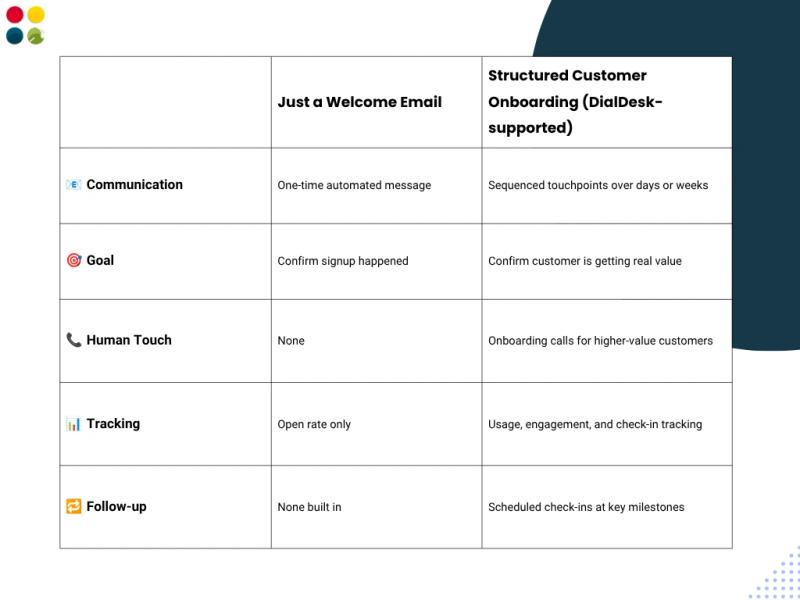
Customer Onboarding is the process of guiding a new customer from their initial purchase or sign-up to becoming a confident, active user of a product or service. It typically includes welcome communication, setup assistance, initial training or education, and early check-ins to confirm the customer is getting value — a structured process rather than a single welcome email, aimed at reducing early churn and building the foundation for a long-term relationship.
Why the First Few Days Matter More Than Most Businesses Realise
The period immediately after a purchase or sign-up disproportionately shapes whether a customer sticks around. A confusing first experience creates doubt that's hard to undo later, even if the product itself is genuinely good.
Customer Onboarding exists specifically to manage this vulnerable early period deliberately, rather than leaving new customers to figure things out on their own and hoping they don't give up.
Understanding What is Customer Onboarding really means recognising it as a structured process with specific steps and goals — not just a single welcome message sent automatically after signup.
💡 Why It Matters
A significant share of customer churn happens within the first 90 days of a relationship, often traced back to a poor or absent onboarding experience rather than product quality itself (Customer Success Industry Report, 2025).
What is Customer Onboarding vs Just a Welcome Email
How Customer Onboarding Typically Unfolds in Practice
Customer Onboarding usually follows a recognisable sequence, even though the specific details vary by business and product complexity.
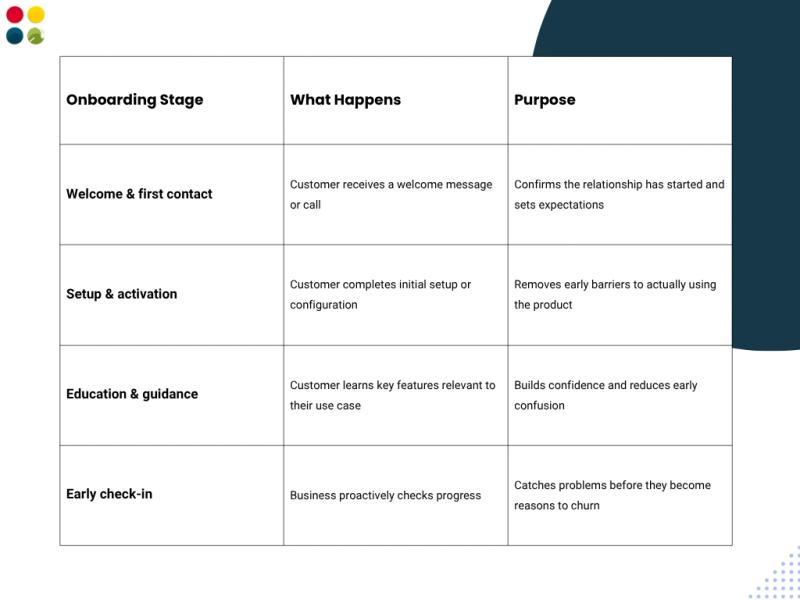
This sequence is what separates Customer Onboarding as a deliberate process from simply hoping new customers figure things out — each stage addresses a specific reason customers might otherwise give up early.
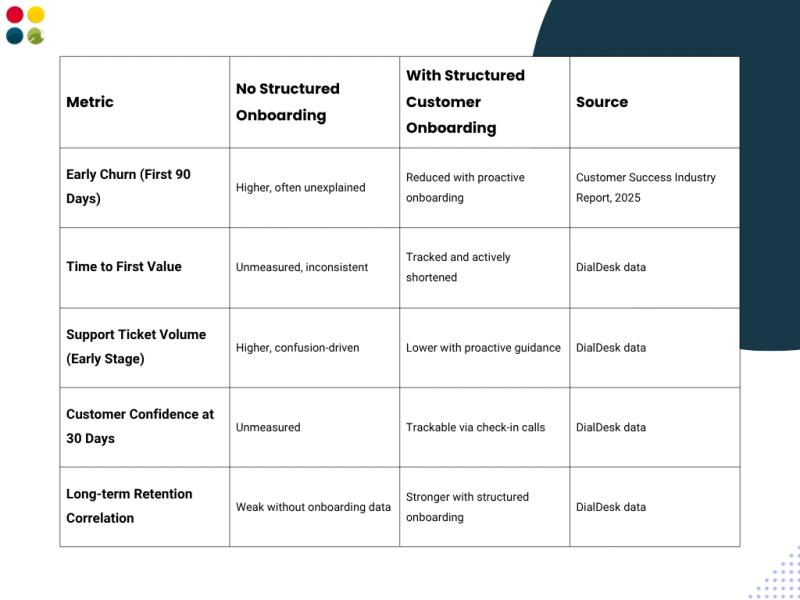
Business Impact: The Numbers Behind Structured Customer Onboarding
Businesses with a structured onboarding process see measurable improvements in early retention (Customer Success Industry Report, 2025).
✅ Trusted by 500+ Businesses Across India
DialDesk's platform supports Customer Onboarding call flows and tracking on infrastructure that is ISO 9001:2015 and ISO 27001:2013 certified. See our full call center software India platform.
Key Takeaways
● Customer Onboarding is a structured process, not a single welcome email, aimed at reducing early churn.
● The first 90 days of a customer relationship disproportionately shape whether they stay long-term.
● A typical onboarding sequence includes welcome, setup, education, and proactive check-ins.
● Structured onboarding is trackable and measurable, unlike an ad hoc welcome message.
● DialDesk supports onboarding call flows and tracking to help businesses manage this critical period deliberately.
Conclusion
What Customer Onboarding really comes down to is one idea: a business deliberately managing the vulnerable early period of a customer relationship, rather than leaving new customers to sink or swim on their own.
Businesses that treat onboarding as a single automated email are leaving early retention to chance. A structured Customer Onboarding process with clear stages and check-ins catches problems before they turn into churn.
Explore how DialDesk's platform supports Customer Onboarding call flows with CRM integration and Call Analytics to track new customer success from day one.
The first impression sets the tone for everything after. DialDesk helps you get it right.
📅 Want to Build a Structured Onboarding Process?
DialDesk supports onboarding call flows, check-ins, and tracking — helping new customers succeed from day one. Join 500+ businesses across India already reducing early churn with DialDesk.