OVERVIEW
Customer Experience (CX) refers to the overall perception customers develop based on every interaction they have with a brand—from browsing a website, speaking with customer support, receiving a product, to after-sales service. It’s not just about delivering a product or service; it’s about how that delivery makes the customer feel.
In today’s competitive and customer-driven market, CX has become the core of business success. Companies that prioritize customer experience build trust, loyalty, and emotional connections, which lead to repeat business, positive word-of-mouth, and long-term growth. A great customer experience reduces churn, increases customer lifetime value, and sets a brand apart from its competitors.
In short, customer experience isn’t just a business function—it’s the heartbeat of every successful company, shaping brand reputation and driving sustainable success.
Introduction
Customer expectations have evolved. Today, it’s no longer enough to have a great product or service — customers expect meaningful, consistent, and personalized interactions at every touchpoint. That’s where Customer Experience (CX) comes in.
In this guide, we’ll explore what customer experience really means, why it matters, and how your business can build a strong CX strategy using modern tools and insights from leaders like Oracle, Zendesk, and DialDesk.
What is Customer Experience (CX)?
Customer experience refers to the sum of every interaction a customer has with your brand — from the first website visit to post-purchase support. It’s not limited to customer service; it includes how customers feel when interacting with your brand across multiple channels.
In simple terms, customer experience is how customers perceive your brand throughout their journey — before, during, and after buying from you.
A company that offers responsive, empathetic, and consistent communication creates a positive customer experience, leading to higher loyalty and repeat business.
Customer Experience vs. Customer Service
While customer service focuses on problem-solving, customer experience is about proactive engagement and long-term satisfaction.
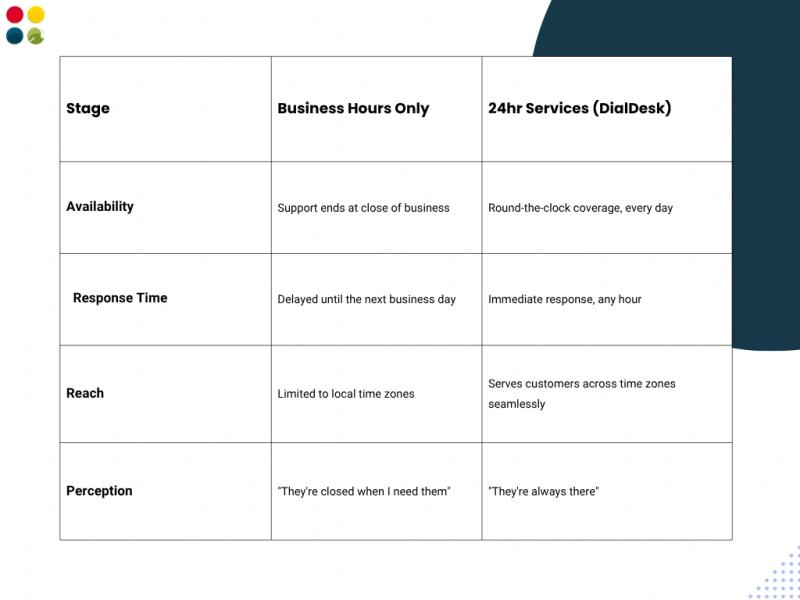
For instance, providing 24 7 Support ensures that customers are never left waiting — a vital component of a strong CX strategy.
Why Customer Experience Matters More Than Ever?
Businesses that prioritize customer experience outperform those that don’t. According to industry research, 86% of buyers are willing to pay more for a better experience.
CX isn’t just about satisfaction — it’s about growth. When customers feel valued, they stay longer, spend more, and recommend your brand to others. Companies like Oracle and Zendesk have emphasized CX as the core driver of brand differentiation.
With DialDesk’s customer experience solutions, businesses in India are now bridging the gap between customer expectations and service capabilities. DialDesk helps transform every call, message, and chat into a meaningful conversation that drives loyalty.
The Pillars of a Great Customer Experience
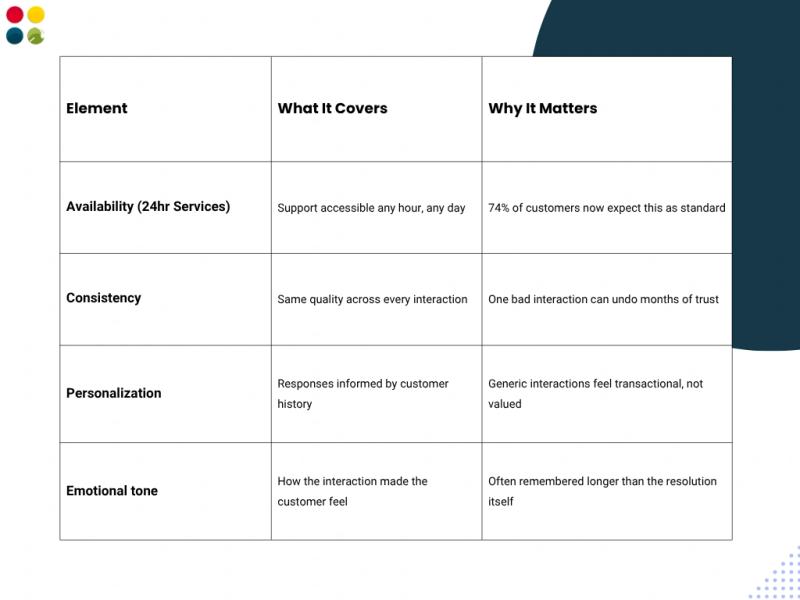
Delivering a great CX doesn’t happen by accident — it’s built on a few essential pillars.
● Personalization
Customers expect experiences that recognize their preferences and history. Whether it’s tailored follow-ups or multilingual support, personalization increases engagement.
● Accessibility
Being available across channels — phone, WhatsApp, email, and chat — ensures that customers can reach you anytime. Omnichannel accessibility builds trust and reliability.
● Consistency
Consistency in tone, service, and responsiveness strengthens brand perception. Each interaction, from marketing to support, should feel seamless.
● Empathy
Great CX starts with empathy. Listening actively and addressing pain points promptly turns challenges into opportunities.
DialDesk delivers all four pillars through its Shared Call Center solutions that blend human expertise with automation, enabling consistent and empathetic communication across all touchpoints.
How to Build a Winning CX Strategy?
Building a customer experience strategy involves more than just hiring a support team. It requires a systematic approach across technology, training, and analytics.
1. Map the Customer Journey
Identify every stage where customers interact with your brand — from discovery to support. Mapping helps identify friction points and areas for improvement.
2. Collect and Analyze Feedback
Gather insights through surveys, chat transcripts, and call recordings. Tools like DialDesk’s CallMaster feature enable businesses to audit 100% of customer interactions for sentiment, quality, and resolution rates.
3. Invest in the Right Tools
Using Cloud Telephony Solutions eliminates infrastructure hassles while improving call handling and tracking efficiency.
4. Automate Intelligently
Balance AI automation with human empathy. Chatbots and IVRs should assist, not frustrate. Automation helps agents focus on solving real problems faster.
5. Measure What Matters
Track key metrics like response time, first call resolution, and CSAT to ensure your CX strategy delivers real results.
Measuring Success: CX Metrics That Matter
A well-designed customer experience management program relies on the right metrics.
Here are some key indicators:
● NPS (Net Promoter Score): Measures customer loyalty.
● CSAT (Customer Satisfaction Score): Gauges satisfaction after an interaction.
● CES (Customer Effort Score): Evaluates how easy it is for customers to get help.
● FCR (First Call Resolution): Indicates efficiency and agent expertise.
With DialDesk’s AI-powered analytics, businesses can monitor these metrics in real-time, ensuring every customer interaction contributes to continuous improvement.
CX in Action: Real-World Applications
From retail and healthcare to BFSI and education, customer experience shapes success across industries.
● E-commerce: Fast responses and proactive order updates increase repeat purchases.
● Healthcare: Appointment reminders and empathetic conversations enhance patient trust.
● Banking: 24/7 multilingual support reduces friction and builds confidence.
● EdTech: Seamless onboarding and real-time chat improve learner engagement.
DialDesk empowers each of these industries with tailored CX outsourcing solutions, combining voice, chat, and WhatsApp Automation for unified communication.
The Future of Customer Experience
CX is evolving fast. Artificial intelligence, predictive analytics, and automation are redefining how businesses understand and serve customers.
Future-ready CX means anticipating customer needs before they express them — something that AI-driven contact centers like DialDesk make possible.
By integrating automation with empathy, businesses can scale CX without sacrificing personalization.
Common CX Challenges (and How to Overcome Them)
Many businesses struggle to deliver great CX due to disconnected tools, limited visibility, and inconsistent training.
Here’s how to address these issues:
● Data Silos: Use integrated platforms to unify customer insights.
● Limited Support Hours: Implement 24hr Services call management to ensure round-the-clock availability.
● High Training Costs: Leverage outsourcing for scalability and expertise.
● Poor Feedback Loops: Use AI-driven tools to analyze every conversation and uncover hidden trends.
DialDesk solves these challenges through omnichannel CX solutions that combine technology and human support to deliver outcomes, not just interactions.
Conclusion: Turn Conversations into Connections
Customer experience is more than a department — it’s a mindset. It defines how customers feel about your brand and whether they’ll stay with you or switch to a competitor.
The brands that thrive are those that see every interaction as an opportunity to connect, learn, and improve. By partnering with experts like DialDesk, businesses can transform ordinary customer interactions into long-term relationships and measurable growth.
Ready to deliver customer experiences that feel truly in-house — without the overhead?
Know how DialDesk can help you build, manage, and scale your customer experience strategy effortlessly.