Customer Engagement

Successful Customer Onboarding Process: A Guide

DialDesk Team
July 20, 2022
8 min read

OVERVIEW

● Explains what a successful customer onboarding process means for growing businesses in India’s competitive market.
● Highlights why structured onboarding directly impacts customer retention, satisfaction, and lifetime value.
● Breaks down key stages—from welcome communication to product training and feedback loops.
● Shares practical strategies to reduce churn and accelerate time-to-value.
● Emphasizes automation, personalization, and proactive engagement using smart CX tools.
● Demonstrates how businesses can streamline onboarding with solutions from DialDesk.

Introduction

Bringing in new customers is exciting, but keeping them engaged is where the real challenge begins. A strong customer onboarding process sets the foundation for long-term relationships, increased retention, and overall satisfaction. If your onboarding process isn’t smooth, you risk losing customers before they even get a chance to experience the value of your product or service.

In this guide, I’ll walk you through the key steps of an effective customer onboarding process, ensuring that new users have a seamless and engaging experience from the start.

In this blog post, we’ll outline the key tips on how to create an ideal customer onboarding strategy.

What is Customer Onboarding?

The Customer Onboarding process is the first encounter a customer has with your business. This process helps to orient and activate the customer support, build trust, and create a long-term relationship with your customers.

There are many benefits to implementing an effective customer onboarding strategy, including increased customer retention, increased revenue, and decreased customer churn.

As per sixteen ventures, an onboarded customer is two things:

● One that has experienced “initial success” with your product.

● One that sees the real value potential in their relationship with you.

There are many different ways to design an onboarding process, and it depends on the type of business you are in and the products or services you offer.

Some common elements of an effective customer onboarding strategy include:

● An introduction video or digital brochure that provides overviews of your company and what you offer.

● Welcome emails that introduce yourself and your team and explain how you can help the customer.

● Interactive forums or chats where customers can ask questions and get advice from other users.

● A tutorial or guide that walks customers through specific steps in using your product or service.

● A feedback system that allows customers to report problems or suggestions they have had with your product or service.

Why is Customer Onboarding Important?

Think of what is Customer Onboarding as the first impression of your brand. It’s your opportunity to show new users how your product works, guide them through key features, and help them achieve their goals efficiently. A poor onboarding experience can leave customers frustrated and more likely to churn, while a smooth process can boost engagement, loyalty, and even referrals.

Some key benefits of a strong onboarding process include:

● Increased customer retention

● Higher engagement rates

● Reduced support requests

● Stronger customer relationships

Different Types of Customer Onboarding

There are many different types of customer onboarding, and it is important to consider the needs of your specific customers.

● Introduce your new customers to the product or service. This can be done through marketing material, email communications, or even during the sales process.

● Teach your new customers how to use the product or service. This includes explanations of features, tips on using the product correctly, and troubleshooting assistance if needed.

● Provide ongoing support after purchase. This means responding quickly to customer questions and providing assistance as needed. It is also important to monitor customer satisfaction levels and offer refunds or other options where warranted.

● Celebrate successes with your new customers. Show your appreciation for their participation by rewarding them for their loyalty and efforts. This could include discounts, special promotions, or exclusive access to products or services.

How to Create an Ideal Customer Onboarding Strategy?

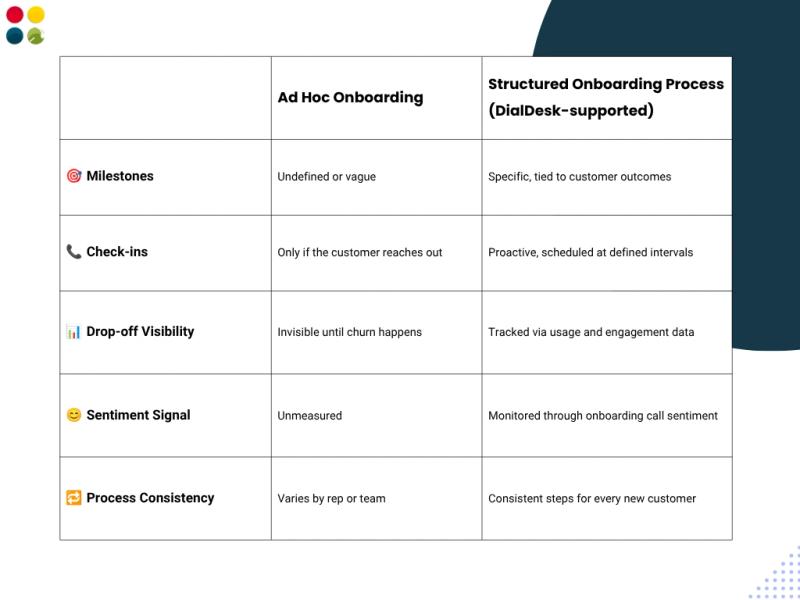
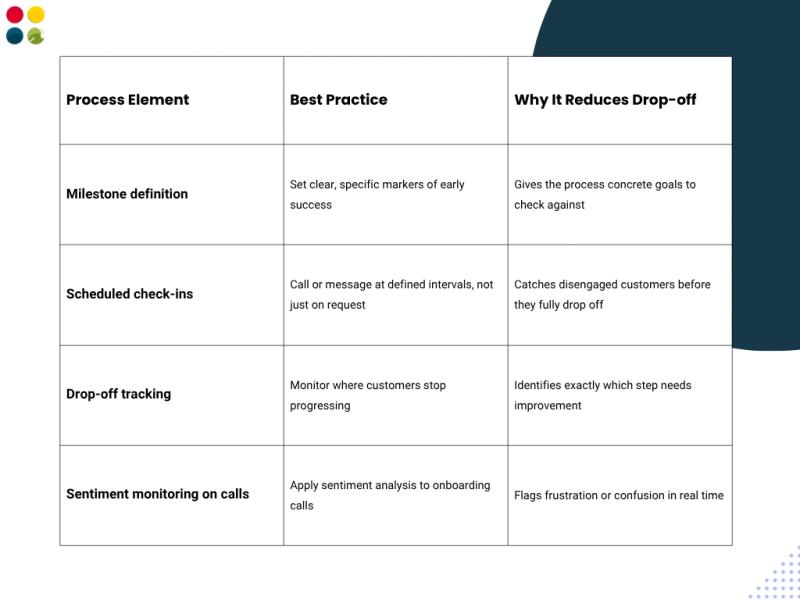
Creating an ideal customer onboarding strategy is the foundation of long-term customer success. In today’s competitive Indian market, businesses can’t afford to lose customers due to confusion, lack of support, or delayed Customer Engagement. A well-structured onboarding strategy ensures customers quickly understand your product, see value early, and stay engaged.

Here’s how you can build a powerful and result-driven customer onboarding strategy:

1. Define Clear Onboarding Goals

Start with clarity. Ask yourself:

● What action should customers complete first?
● How soon should they experience value?
● What defines onboarding success?

Set measurable goals such as activation rate, time-to-value, customer engagement score, or first purchase completion.

2. Understand Your Customer Journey

Map the entire journey from sign-up to product adoption. Identify:

● Key touchpoints
● Possible drop-offs
● Customer expectations

Segment customers based on industry, behavior, or purchase type to create personalized onboarding experiences.

3. Deliver a Strong First Impression

The first interaction sets the tone.

● Send a personalized welcome message
● Provide clear next steps
● Offer quick-start guides or tutorials

A smooth beginning builds trust and reduces early-stage churn.

4. Simplify the Onboarding Process

Avoid overwhelming users with too much information. Break onboarding into small, actionable steps:

● Guided walkthroughs
● Interactive tutorials
● Automated reminders

Clarity and simplicity drive faster adoption.

5. Personalize the Experience

Indian customers expect tailored experiences. Use customer data to:

● Recommend relevant features
● Provide industry-specific examples
● Offer contextual support

Personalization increases engagement and satisfaction.

6. Provide Proactive Support

Don’t wait for customers to raise concerns.

● Use automated check-ins
● Offer live chat or callback support
● Share helpful FAQs and knowledge resources

Proactive communication improves retention and trust.

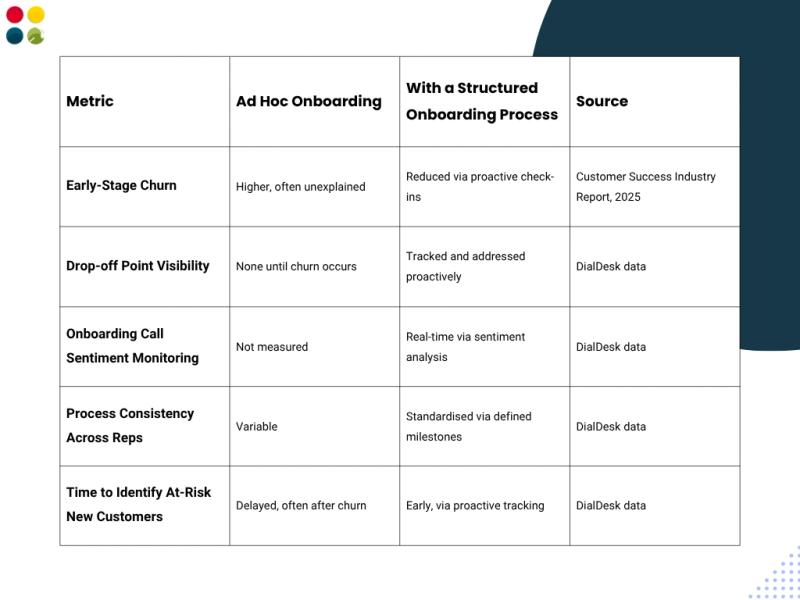
7. Track Key Metrics

An ideal customer onboarding strategy must be data-driven. Monitor:

● Activation rate
● Customer engagement
● Time-to-first-value
● Early churn rate

Regular performance analysis helps you optimize continuously.

8. Automate Where Possible

Automation ensures consistency and scalability. Smart onboarding workflows powered by solutions like DialDesk help businesses streamline communication, follow-ups, and engagement without manual effort.

9. Collect Feedback & Optimize

Customer feedback is your biggest improvement tool. Conduct:

● Post-onboarding surveys
● CSAT tracking
● Follow-up calls

Use insights to refine and enhance the onboarding experience.

Why an Ideal Customer Onboarding Strategy Matters?

A structured customer onboarding strategy reduces churn, improves Customer Retention, and increases lifetime value. In India’s fast-growing digital ecosystem, businesses that invest in intelligent onboarding gain a strong competitive edge.

When customers clearly understand your product’s value from day one, they are more likely to stay, engage, and advocate for your brand.

Final Thoughts

A well-structured customer onboarding Inbound Voice Process is the key to long-term success. It’s not just about introducing your product—it’s about making your customers feel confident, valued, and supported. By prioritizing their needs and providing a seamless onboarding experience, you’ll set the stage for a strong relationship and long-term engagement.

Want to build a smarter onboarding framework?

Schedule a demo with our experts and see how advanced customer engagement solutions can elevate your onboarding process.

Frequently Asked Questions

Find answers to common questions about this topic

Share this article

About the Author

D

DialDesk Team

The DialDesk team is dedicated to helping businesses improve their customer experience through innovative solutions and insights.

Related Articles

Customer Engagement

Why is Customer Interaction Important For Your Business?

Explore why Customer Interaction matters for businesses looking to strengthen relationships, increase conversions, and stay customer-first.

Customer Engagement

Ways to Reduce Customer Care Costs Without Affecting Quality

Learn how Indian companies can cut Customer Care costs without compromising service quality.

Customer Engagement

A Simple Guide for Customer Lifetime Value (CLTV)

This easy guide explains Customer Lifetime Value (CLTV) and how businesses can use it to build loyal customers and maximize returns.

Ready to Transform Your Customer Experience?

See how DialDesk can help your business deliver exceptional support

Get Weekly CX Insights

Join 1,000+ professionals receiving expert tips on customer experience and support automation.