OVERVIEW
In this blog, we’ll uncover how businesses can truly satisfy customers in today’s crowded, fast-moving market. You’ll learn the key drivers of customer satisfaction, what real data says about expectations, and how brands can blend technology, empathy, and speed to create experiences customers don’t just remember — they recommend.
Introduction: The Battle for Loyalty Has Never Been Tougher
Every market is crowded. Every product looks similar. Every brand claims to “care.”
Yet, customers can tell who genuinely does — within seconds.
In today’s economy, satisfying customers isn’t about offering discounts or quick fixes; it is an issue of building experiences that engender trust, not just transactions.
When choices multiply, and attention spans shrink, customers stick with brands that listen, respond fast, and make life simpler.
That’s why how to satisfy customers today is no longer a metric — it’s a business strategy.
Think of the brands people rave about: not because they’re the cheapest, but because they’re the most responsive, empathetic, and consistent.
That is where true customer satisfaction begins: in those moments that matter, powered by systems that deliver.
Understanding Customer Satisfaction
Customer satisfaction is the degree to which a product or service meets or exceeds customer expectations.
But in 2025, expectations are different. Customers want:
● Instant responses across channels
● Personalized experiences that feel human
● Proactive support before problems escalate
Stat: According to Salesforce’s 2024 State of the Connected Customer Report,
“88% of customers say the experience a company provides is as important as its products or services.”
This means — the experience is the product.
Why Customer Satisfaction is Your Competitive Edge?
1. It Drives Loyalty and Lifetime Value
A satisfied customer does not just make a one-time purchase; they stay longer, buy more, and become your brand ambassadors.
● A 5% increase in customer retention can boost profits by 25% to 95% (Source: Bain & Company).
2. It Reduces Marketing Costs
Satisfied customers bring referrals, which is the cheapest acquisition channel.
In fact, 92% of consumers trust recommendations from friends more than ads (Source: Nielsen).
3. It Strengthens Brand Reputation
Every happy customer is a micro-influencer.
In a review-driven world, one genuine testimony is worth more than a whole campaign.
How to Satisfy Customers in a Competitive Market?
Let’s decode the modern satisfaction formula — a mix of empathy, speed, tech, and trust.
1. Listen Actively — and Act Fast
Satisfied Customer begins with listening beyond the words.
Whether via calls, chat, or social comments, every message is insightful.
Use AI-powered voice analytics (like DialDesk’s CallMaster) to identify recurring issues, tone shifts, and emotional cues in real-time.
Pro Tip: Yes, don’t just collect feedback. Respond visibly. Customers feel satisfied once they see action on their input.
2. Personalize Every Interaction
Customers want relevance. They wish to be seen, heard, and understood. Personalize offers, support, and follow-ups using customer data.
Stat: Companies that make communication more personal have a 20% higher customer satisfaction score (Source: McKinsey, 2024).
Practical Tip: Integrate your CRM with support tools — so every agent knows the customer’s history before the first “Hello.”
3. Train Teams for Empathy and Ownership
Technology can optimize for speed, but empathy drives connection.
On the other hand, a customer who feels heard is 80% more likely to remain loyal after a bad experience. (Source: Qualtrics, 2024).
Encourage teams to:
● Acknowledge emotions before solutions
● Use positive language
● Take ownership till closure
Satisfaction grows when customers feel someone genuinely cares.
4. Go Omnichannel, Stay Consistent
Inconsistency kills satisfaction.
Whether customers reach you by phone, WhatsApp, or web — your brand voice must stay consistent.
Data: Customers who interact across multiple channels spend 23% more compared to those using a single channel (Source: Harvard Business Review).
Use omnichannel CX platforms to ensure seamless continuity.
5. Measure, Improve, Repeat
Customer satisfaction isn’t static.
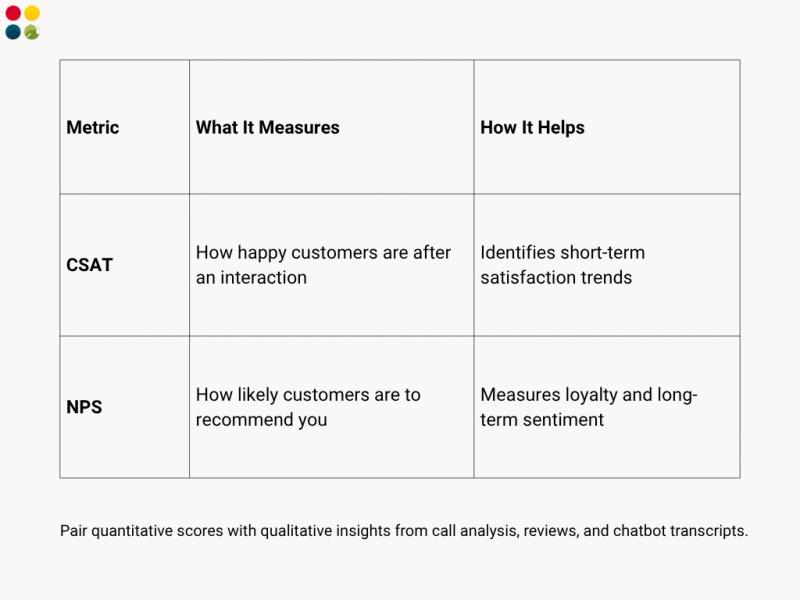
Progress should be monitored by utilizing CSAT (Customer Satisfaction Score) and NPS.
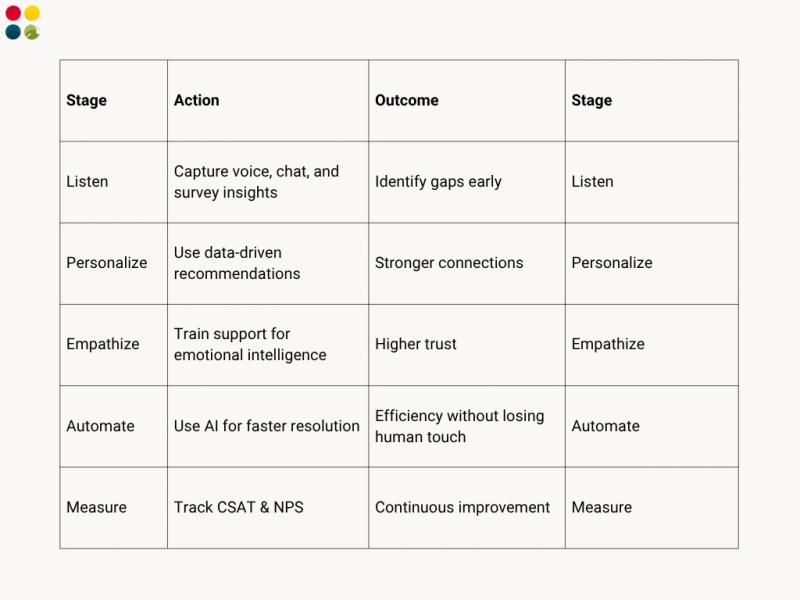
The Customer Satisfaction Framework
Expert Take: Satisfaction is the New Growth Currency
In 2025, Client Satisfaction = scaling smart.
It’s not about doing more; it’s about doing what matters most — consistently.
Businesses that put satisfaction first will not only survive the competition but will make customers into ambassadors and markets into societies.
The brands winning today are those that combine technology with humanity — data to understand, empathy to connect, and agility to respond.
Thoughts to Ponder
● Are you measuring satisfaction or just counting sales?
● Are your customers being heard — or just treated?
● When was the last time your team acted upon real feedback?
● Would you remain loyal to your own brand’s experience?
Wrap Up
Satisfy Customer isn’t a department.
It’s a business mentality, one that delineates who will make it and who will not in the competitive market.
When every brand can sell, only a few can serve — and that’s what sets leaders apart.
Key Takeaways
● Satisfaction equals trust plus speed, plus empathy, plus consistency
● Listening is half the battle; acting on insights wins the war
● Personalization and omnichannel experiences drive loyalty
● Measure satisfaction continuously — and close the feedback loop
● AI + Human empathy = Future of customer satisfaction
Conclusion
In a marketplace where customers have unlimited options, satisfaction is the only strategy that guarantees repeat business.
It’s not about being perfect; it’s about being present, responsive, and real.
Whether it is voice support, live chat, or AI-assisted analysis, DialDesk empowers brands to deliver satisfaction that scales.
Ready to elevate your customer satisfaction game?
Explore DialDesk CX and call management solutions at www.dialdesk.in